

An Epic Drubbing: Analyzing the 2026 Midterm Elections
November 11, 2026
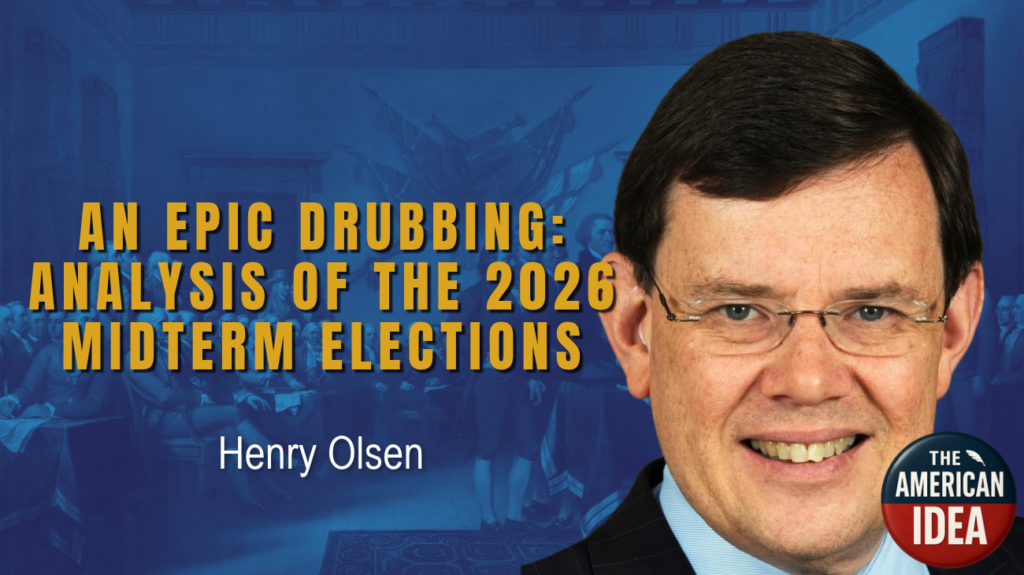
An Epic Drubbing: What the 2026 Midterm Elections Reveal About American Politics
The 2026 midterm elections delivered a devastating defeat to President Donald Trump and the Republican Party, producing a Democratic victory of a magnitude rarely seen in modern American politics. While the party holding the White House typically loses ground in midterm elections, the scale of this defeat suggests something more significant than the familiar frustrations of voters halfway through a presidential term.
Democrats won the national popular vote for the House of Representatives by more than 13 percentage points, securing over 250 House seats and at least 54 seats in the Senate. The national margin was comparable to the Democratic landslides of 1974 and 1976, when Republicans struggled in the aftermath of Watergate. Yet those elections occurred when Democrats enjoyed an overwhelming advantage in partisan identification. Today’s electorate is much more evenly divided, making the 2026 outcome especially remarkable.
Political analyst Henry Olsen argues that the results reflect a fundamental failure by the Trump administration to understand and respond to public opinion. They also reveal an electorate increasingly impatient with both political parties and their inability to address the concerns of ordinary Americans.
The Cost of Ignoring Public Opinion
Trump returned to the presidency promising substantial changes in American government and policy. His electoral victory provided a mandate to pursue those changes, but it did not guarantee public support for every decision his administration would make. Successful political leadership requires more than winning an election; it demands maintaining the confidence of voters while implementing a governing agenda.
According to exit polling, Trump’s approval rating among those voting in the midterms had fallen to just 37 percent. Historically, a president’s approval rating strongly predicts his party’s performance in congressional elections. An approval rating that low made a substantial Republican defeat nearly inevitable.
The administration’s greatest vulnerability was its failure to deliver on promises concerning the cost of living. Trump campaigned on improving Americans’ economic circumstances, particularly by bringing prices down. Instead, voters continued to confront persistent inflation and new pressures on household budgets.
Tariffs contributed to higher prices, while the war drove gasoline costs up by an estimated 40 to 60 percent, with additional increases in diesel fuel and fertilizer. These developments were especially damaging in agricultural communities, where farmers faced rising production costs and the consequences of trade restrictions. Republican candidates suffered unusually large losses in these areas, including regions of the traditionally conservative South.
The problem was not simply that economic circumstances had deteriorated. The administration also failed to persuade voters that its policies would eventually produce the improvements they had been promised.
An Electoral Revolt Across the Country
The Democratic victory extended well beyond competitive congressional districts. Republican candidates lost races in heavily conservative states, traditionally Democratic states, and local contests that ordinarily attract little national attention. The results demonstrated the breadth of dissatisfaction with the administration.
Several factors contributed to the outcome. Democratic voters turned out in substantially greater numbers than they had in 2024, while some Republican supporters stayed home. More consequentially, independent voters moved decisively toward the Democrats, favoring them by 26 percentage points according to exit polls.
Yet the results should not be mistaken for a sweeping endorsement of progressive policies. In several Democratic-leaning states, voters simultaneously supported ballot initiatives addressing cultural issues traditionally associated with Republicans. Democratic candidates themselves sometimes distanced themselves from positions identified with their party’s progressive wing.
This distinction is crucial. Voters were expressing dissatisfaction with Trump’s leadership and the direction of his administration, not necessarily demanding a dramatic ideological shift to the left.
That dissatisfaction also reflects a much older political problem. For more than two decades, substantial portions of the electorate have questioned the economic and social consequences of globalization, rapid cultural change, and American commitments abroad. Many Americans believe that political leaders from both parties have neglected their interests while promising benefits that have not materialized.
These voters want economic security, greater political responsiveness, and a government that recognizes the costs imposed on ordinary families by decisions made in Washington. Their frustration has repeatedly disrupted established political coalitions.
What the Results Mean for Democrats
The Democratic Party now faces an opportunity and a potential trap. Its victories have given it considerable legislative influence and control of additional state governments. But the party remains divided over how to interpret its success.
Progressives may regard the election as proof that Americans are ready for an ambitious left-wing agenda. More moderate Democrats will argue that the party succeeded by appealing to voters alienated by Trump rather than by embracing ideological demands.
This struggle is likely to shape the Democratic presidential nomination contest in 2028. Figures such as Representative Ro Khanna could emerge as champions of a more explicitly progressive agenda, competing against candidates who believe the party must broaden its appeal toward the political center.
The central danger for Democrats is assuming that a vote against Republicans constitutes an endorsement of their own preferred policies. Their future success will depend on whether they can translate temporary electoral support into lasting public confidence.
Republicans and the Future of Trumpism
Republicans face a different but equally consequential struggle. For a decade, Trump’s populist movement has dominated the party, displacing much of its traditional conservative establishment. The magnitude of the 2026 defeat will undoubtedly encourage establishment Republicans to argue that the party must change direction.
Potential presidential contenders representing different approaches to conservatism may seek to challenge the dominance of Trump’s political philosophy. Yet the MAGA movement remains deeply embedded in the Republican electorate, and its supporters are unlikely to surrender control simply because of one disastrous election.
Trump himself may demonstrate tactical flexibility, particularly in negotiations over immigration and other contentious policies. Nevertheless, his political history suggests that he rarely abandons objectives he considers fundamental. Consequently, the midterms may alter his approach without producing a substantial change in his governing priorities.
The Road to 2028
The most important question is whether the 2026 results represent a lasting political realignment or a temporary rejection of the governing party.
Midterm elections often allow Americans to register dissatisfaction without making a definitive choice about future leadership. Presidential elections require voters to decide which candidate and party they trust to govern. The coalition that delivered Democrats their overwhelming victory may therefore look considerably different two years from now.
Both parties must also recognize a fundamental political reality: their most committed supporters do not represent the median American voter. Activists frequently mistake the priorities of their own factions for those of the country as a whole, encouraging candidates to adopt positions that appeal strongly to primary voters but alienate the broader electorate.
The lesson of 2026 is therefore larger than the defeat of one president or the success of one party. Americans continue to demand political leadership responsive to their economic circumstances, cultural concerns, and expectations of government. The party that understands those demands and demonstrates through its actions that it takes them seriously will be best positioned to build a durable governing majority.